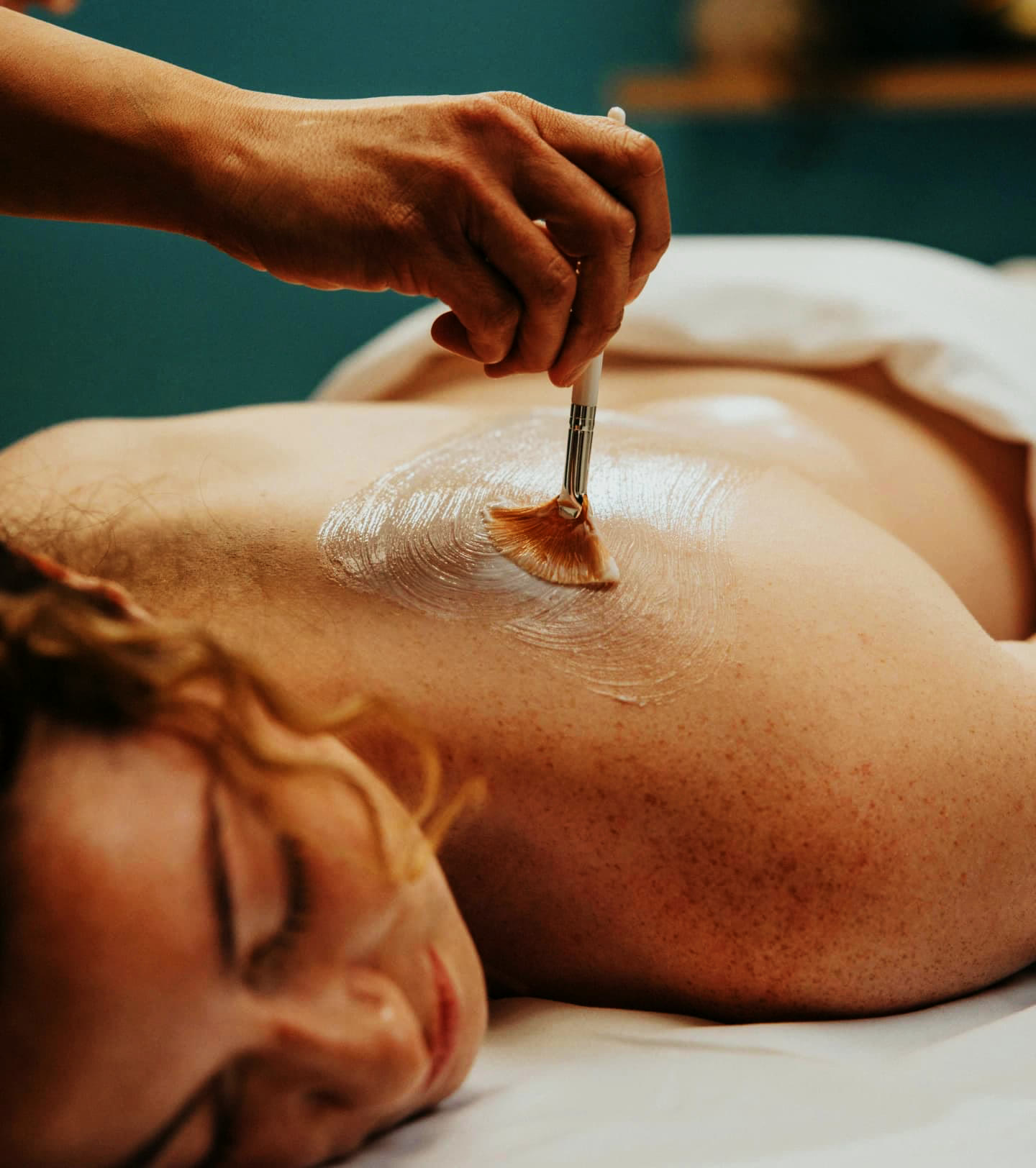
Massages & treatments
How to Choose the Right Massage & Facial Specialist
The questions worth asking before you book a massage or facial in Dallas, from licensing to pressure preferences. Written by our team at Hand & Stone.
By Hand & Stone Massage and Facial Spa5 min read
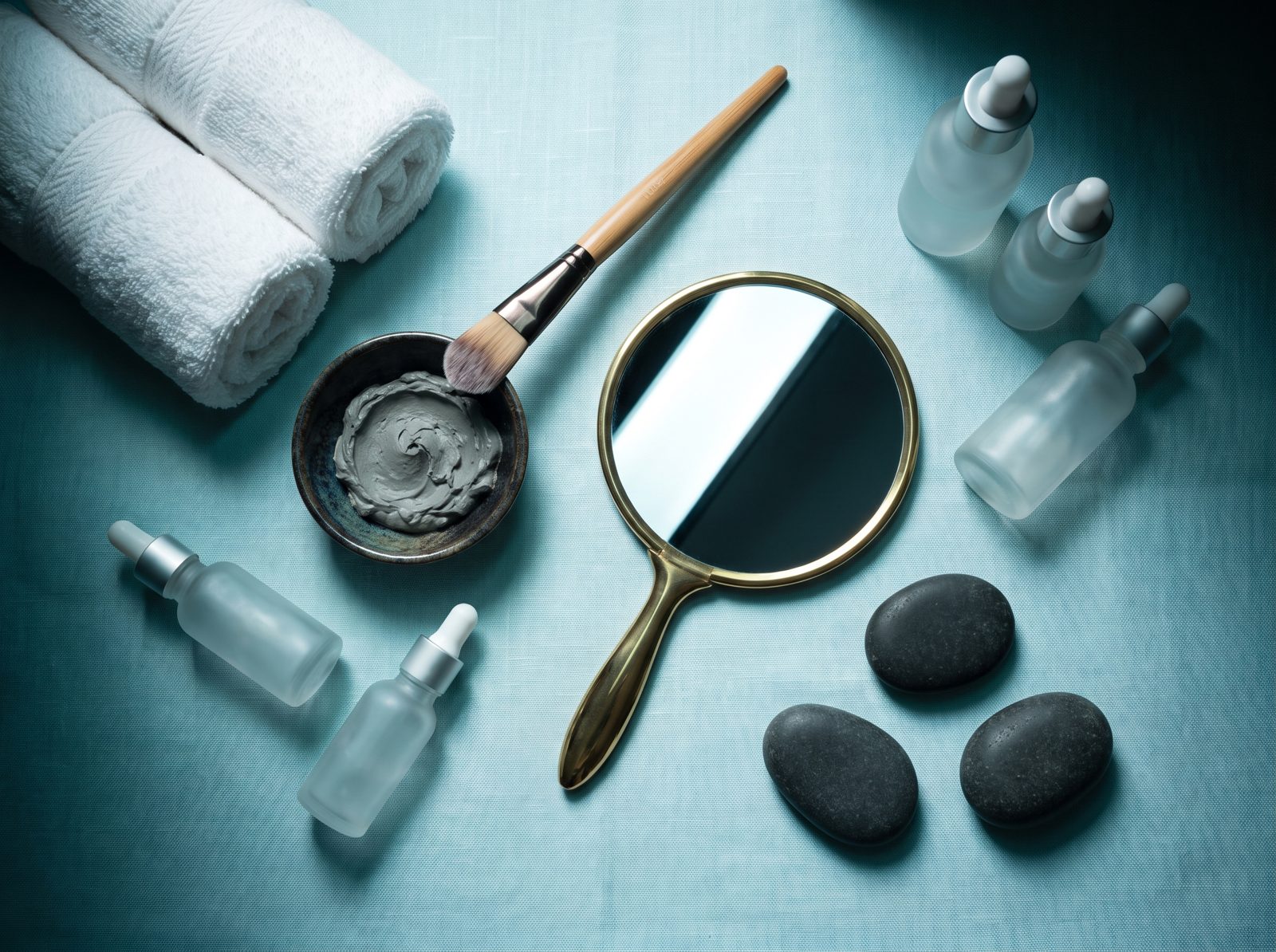
Choosing the right massage or facial specialist means asking about licensing, training, pressure style, product lines, and whether they treat your specific concern regularly. At Hand & Stone Massage and Facial Spa in Dallas, we tell every guest to interview the spa the way they'd interview a mechanic: politely, but with real questions.
What credentials should a massage therapist or esthetician actually have?
In Texas, massage therapists and estheticians must be licensed by the state before they touch a client. That's the floor, not the ceiling. Ask to see it. Any reputable spa posts license numbers publicly, the way we post ours (License #: ME5429/755259). The Texas Department of Licensing and Regulation keeps a public lookup you can use before your appointment [1].
Credentials tell you the therapist passed a board. They don't tell you if the therapist is any good at deep tissue, or if they've worked on a frozen shoulder before. So ask both. "Are you licensed?" and "How often do you do this specific service?" are two different questions, and both matter.
Most people ask first about price. That's the wrong first question. Ask about the failure rate, meaning: how often does a guest come back for the same complaint because the first session didn't touch it? A therapist who can answer that honestly is a therapist who tracks their own work.
What questions should I ask before booking a massage or facial?
Here's a short list we hand to guests who aren't sure where to start. Use it on us. Use it on anyone.
- Ask whether the therapist or esthetician is currently licensed in Texas and how long they've been practicing.
- Ask what pressure ranges they're comfortable with, from light Swedish to firm deep tissue.
- Ask which skincare lines the spa uses and whether ingredient lists are available on request.
- Ask if the specialist has experience with your specific concern, whether that's chronic lower-back tension, rosacea, or post-workout recovery.
- Ask how the spa handles intake, allergies, and any conditions that may need medical clearance (guests must be at least 18 for facial services).
- Ask about cancellation policy and what happens if the therapist you booked is out sick.
- Ask whether membership pricing changes what you pay per visit long-term.
A runner comes in sure her tight hamstrings are the problem. The intake reveals she's been sleeping wrong for months, and her hip flexors are the actual culprit. That changes the whole session. Good intake questions save you from paying for the wrong treatment.
How do I compare a membership, a single session, and a gift card?
Different guests need different structures. Here's how the three main options usually shake out at our Dallas location.
| Option | Best for | Typical price point | When it's not the right pick |
|---|---|---|---|
| Single session | First-time guests testing fit | Nonmember rates from $139.95 | If you already know you'll return monthly |
| Membership | Monthly self-care habit | Member rates from $79.95 | If your schedule can't support regular visits |
| Gift card | Gifting or trying a service tier | Popular amount $150, save over 30% on promotions | If the recipient has specific medical restrictions |
Members pay less per service, but a membership only makes sense if you'll actually use it. We've had guests sign up, miss three months, and feel worse about the spa than if they'd just booked à la carte. Be honest with yourself about frequency before you commit. Our guide on how to prepare for your first visit walks through what a single session looks like end to end.
Why does the intake conversation matter more than the technique?
Technique is teachable. Attention isn't. A specialist who rushes through your intake form is a specialist who's going to guess at what your body needs. That's true whether you're getting a classic Swedish or a corrective facial for acne-prone skin.
Try this: at your next appointment, notice how long the specialist spends asking about you before they touch you. Two minutes is thin. Five to ten minutes is a therapist doing their job. If you want a preview of the flow, our post on what happens during your appointment covers the sequence.
We've been trusted with care since 2004, and Hand & Stone Massage and Facial Spa now has 600+ locations nationwide. Scale matters less than the person in the room with you. Ask the questions anyway [2].
FAQ
Is a licensed therapist always better than an unlicensed one?
Yes, and it's not close. Licensing means the therapist has completed required training hours and passed state exams. Unlicensed practice in Texas is illegal for massage and esthetics. At Hand & Stone Massage and Facial Spa, every therapist and esthetician holds a current Texas license, which we can confirm by phone at (945) 292-4707.
Should I book the same specialist every time?
Usually yes, once you find a fit. Continuity means your therapist remembers your pressure preferences, your problem areas, and what worked last time. That said, trying a second specialist occasionally can surface techniques your regular doesn't use. Both approaches have merit.
What if I'm not sure which service I need?
Call ahead and describe what you're feeling in plain language. Tight shoulders from desk work, dull skin, tension headaches, whatever it is. Our front desk can suggest a starting service, and the specialist can adjust once they see you in person. No one expects you to know the menu.
How far in advance should I book?
For weekday mornings, a few days out is usually fine. For evenings and Saturdays, book one to two weeks ahead. We're open Monday through Friday 9:00 AM to 10:00 PM, Saturday 8:00 AM to 8:00 PM, and Sunday 9:00 AM to 7:00 PM at 7331 Gaston Ave Ste 170, Dallas.